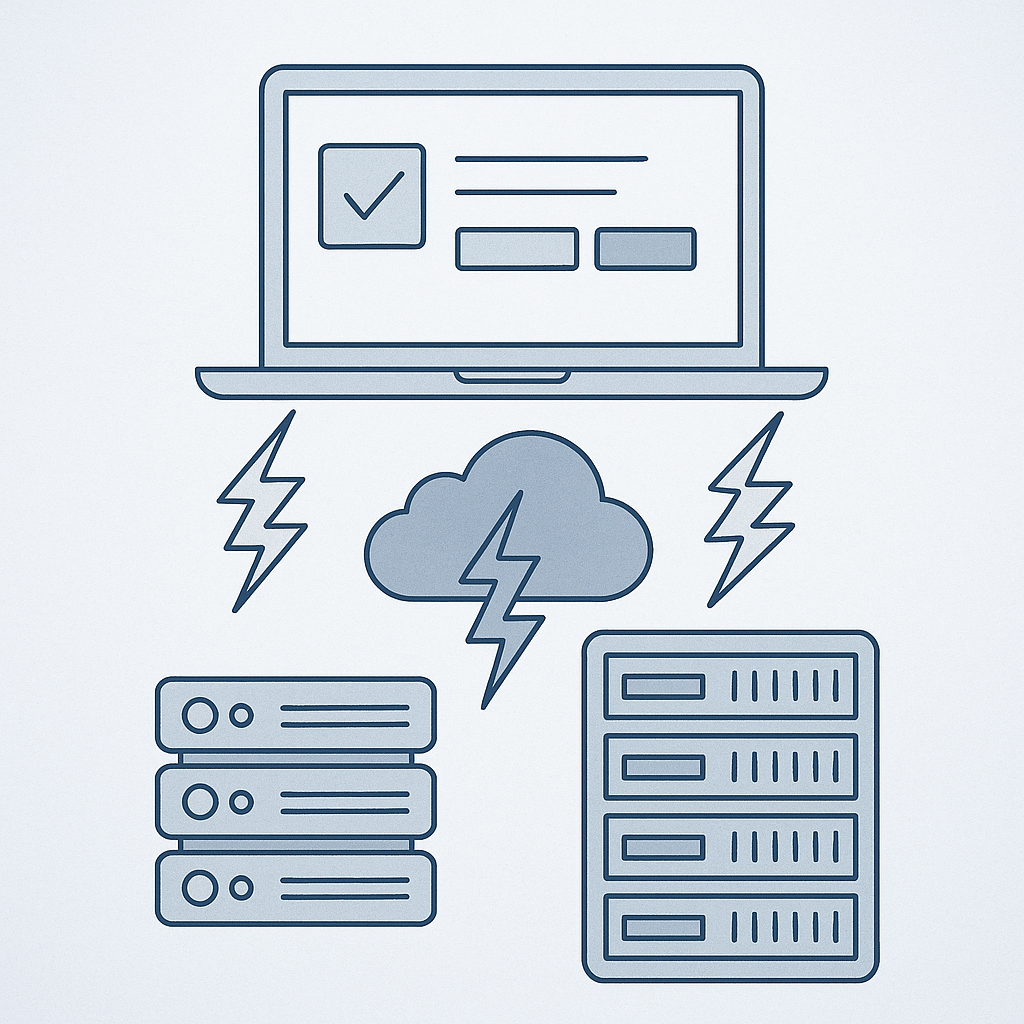
Premýšľali ste niekedy nad tým, čo sa stane predtým, ako uvidíte úvodnú obrazovku? Rovnako ako elektrina alebo vodoinštalácia, skutočná práca SaaS prebieha v zákulisí. Výborný backend je „neviditeľný, keď funguje dobre", potichu poháňa každé kliknutie na tlačidlo a každé volanie API. Každá správa, ktorú odošlete, každá fotka, ktorú nahráte, alebo každá správa, ktorú vygenerujete, cestuje cez skrytý digitálny ekosystém — dátové centrá, káble, servery a kód — to, čo jeden autor nazýva „vodoinštaláciou internetu". Používatelia nikdy nevidia tieto potrubia a čerpadlá, takže je ľahké ich považovať za samozrejmosť. Ale rovnako ako dom potrebuje stály prívod vody a elektriny, vaša aplikácia potrebuje pevný backend, aby zostala rýchla, spoľahlivá a dôveryhodná.
Je lákavé sústrediť všetku energiu na elegantné rozhranie alebo pôsobivé funkcie, ale ak backend zlyhá, používatelia to okamžite pocítia. Zvážte, koľko môže stáť aj len chvíľa výpadku: štúdie naznačujú, že podnikové výpadky narábajú stovky tisíc dolárov za hodinu a približne 30–40 % z toho pochádza zo straty dôvery zákazníkov a ich odchodu. Jednoducho povedané, hodina výpadku môže SaaS stáť štvrť milióna dolárov alebo viac. Viac ako polovica tejto straty je jednoducho to, že ľudia strácajú vieru vo vašu službu.
Oneskorenia výkonu sú takmer rovnako smrteľné. Pouhé 100ms spomalenie — ktoré je pre väčšinu vývojárov nepostrehnuteľné — sa môže rovnať dopadu 88-hodinového úplného výpadku pre firmu s obratom 100M$/rok. Inými slovami, pomalý výkon potichu odčerpáva príjmy a dobrú vôľu. Nie je prekvapením, že 90 % spoločností súhlasí s tým, že pomalé SaaS nástroje brzdia ich tímy. A keďže približne 70–85 % príjmov SaaS pochádza z obnovení, akékoľvek spomalenie priamo ohrozuje lojalitu a udržanie zákazníkov. V skutočnosti jedna analýza zistila, že ľudia boli 3× pravdepodobnejšie, že sa zaregistrujú, keď sa stránka načítala za 1 sekundu oproti 5 sekundám, a 5× pravdepodobnejšie ako pri 10-sekundovom načítaní. Odkaz je jasný: rýchla, spoľahlivá infraštruktúra nie je luxus — je základom spokojnosti používateľov a rastu.
Príbehy úspechu a zlyhania: Keď backend všetko vytvorí alebo zničí
Každodenné príklady dokazujú silu backendu. Zvážte veľkú e-commerce platformu postavenú na robustnej cloudovej infraštruktúre: počas Black Friday zvládla predaj za 9,3 miliardy dolárov s 99,999% dostupnosťou a prekonala svoj vlastný rekord. Táto spoľahlivosť udržala obchodníkov spokojných a dôveru na vysokej úrovni. Porovnajte to so slávnym incidentom z roku 2017, keď populárny SaaS pre hosting kódu náhodne vymazal celú databázu zákazníkov. Služba bola offline celé hodiny a tisíce používateľov prišli o svoju prácu. Táto jediná chyba okamžite zničila dôveru — a tím musel verejne požiadať o odpustenie a prepracovať svoje plány obnovy.
Alebo sa pozrite na aplikácie v reálnom čase: počas roku 2020 popredný nástroj na videokonferencie narástol z približne 10 miliónov denných používateľov koncom roka 2019 na približne 200 miliónov začiatkom roka 2020. Jeho starostlivo navrhnutý backend mu umožnil zvládnuť nárast; keby to nezvládol, milióny firiem a škôl by zostali v tme. Podobne aplikácie na zasielanie správ investujú veľké sumy do dostupnosti: aj keď sa vyskytnú incidenty s výpadkami, tímy sa predbiehajú v ich oprave. (Počas jedného široko medializovaného výpadku chatu používatelia zaplavili sociálne médiá vtipmi a mémami — ale poskytovateľ okamžite pracoval v zákulisí na obnovení služby.) Pointa je, či už ide o Slack, Zoom, Shopify alebo akýkoľvek SaaS, produkty, ktoré milujeme, zostávajú spoľahlivé len preto, že inžinieri sa potia na neviditeľných detailoch. Najsilnejšie rozhranie na svete nedokáže kompenzovať mizerný motor pod kapotou.
Údaje to potvrdzujú. Priemyselní analytici odhadujú, že výpadky IT stoja organizácie stovky miliárd dolárov ročne. Jeden prieskum zistil, že spoločnosti strácajú takmer dvakrát toľko príjmov zo spomalenia výkonu ako z úplných výpadkov. Inými slovami, sotva viditeľné oneskorenie môže byť ešte škodlivejšie ako úplný blackout. Navyše stránka, ktorá sa načíta za jednu sekundu, konvertuje 3-krát viac ako 5-sekundová stránka (a 5-krát viac ako 10-sekundová).
A nejde len o nové registrácie. Keďže väčšina príjmov SaaS pochádza z obnovení, chcete, aby každý existujúci zákazník zostal spokojný. V praxi to znamená dosiahnuť vysoké čísla dostupnosti každý mesiac a bleskurýchle časy odozvy. Mnohí podnikoví zákazníci v skutočnosti požadujú zdokumentovanú dostupnosť a plány obnovy po havárii ako súčasť predaja. Vedia, že každá minúta výpadku alebo každá pomalá stránka ich stojí skutočnú produktivitu a peniaze.
Ako hovoriť o vašej technológii — bez žargónu
Takže ako poviete koncovým používateľom (a potenciálnym zákazníkom) o tejto neviditeľnej sile? Trik je hovoriť ich jazykom, nie vaším. Napríklad jeden komentátor ponúka jednoduchý myšlienkový experiment: predstavte si, že si vyberáte medzi dvoma SaaS nástrojmi, ktoré vyzerajú skvelo na papieri — jeden má verejný dashboard dostupnosti ukazujúci bezchybný záznam a druhý nehovorí nič o spoľahlivosti. Ktorému by ste dôverovali? Takmer každý uprednostňuje ten s transparentnosťou. V nadväznosti na to sa nechváľte „mikroslužbami" alebo „multi-región Kubernetes klastrami" pred zákazníkmi (pokiaľ nie sú technickí nadšenci!). Namiesto toho všetko formulujte v termínoch prínosov pre používateľa. Môžete povedať veci ako „bleskurýchle načítanie", „vždy dostupné" a „spoľahlivosť na bankovej úrovni." Používajte analógie: „Predstavte si našu službu ako elektrickú sieť pre vaše dáta: nikdy sa nemusíte obávať blikajúcich svetiel." Zdôrazňujte výsledky: napríklad „Náš backend sa automaticky škáluje na akýkoľvek nárast, takže váš tím nikdy nezažije oneskorenia" namiesto rozprávania o „horizontálnom škálovaní." Ak máte oficiálnu SLA alebo štatistiku dostupnosti (ako „99,9% uptime"), umiestnite ju na svoju webstránku alebo do prezentácií. Dokonca aj priateľská stránka stavu, ktorá pokojne ukazuje „Všetky systémy operačné", môže byť silným signálom dôvery. Cieľom je zdôrazniť rýchlosť a spoľahlivosť jednoduchými slovami. Keď potenciálny používateľ vidí váš záväzok k spoľahlivosti prezentovaný ako hmatateľný prísľub, bude sa cítiť istejšie pri výbere vás.
Ak budete kvalitu backendu vnímať ako základnú hodnotu a budete o nej hovoriť jednoducho, nielenže predídete problémom, ale premieňte spoľahlivosť na predajný argument. Investícia do robustného backendu nie je glamurózna, ale prináša ovocie. Keď sa konkurenti chvália pôsobivými rozhraniami a lesklými funkciami, môžete sa odlíšiť jedným jednoduchým prísľubom: vaši používatelia si nikdy nevšimnú neviditeľnú chrbticu, pretože jednoducho funguje — zakaždým.
Prečítajte si nižšie ďalšie tipy, ako premeniť vašu infraštruktúru na konkurenčnú výhodu.